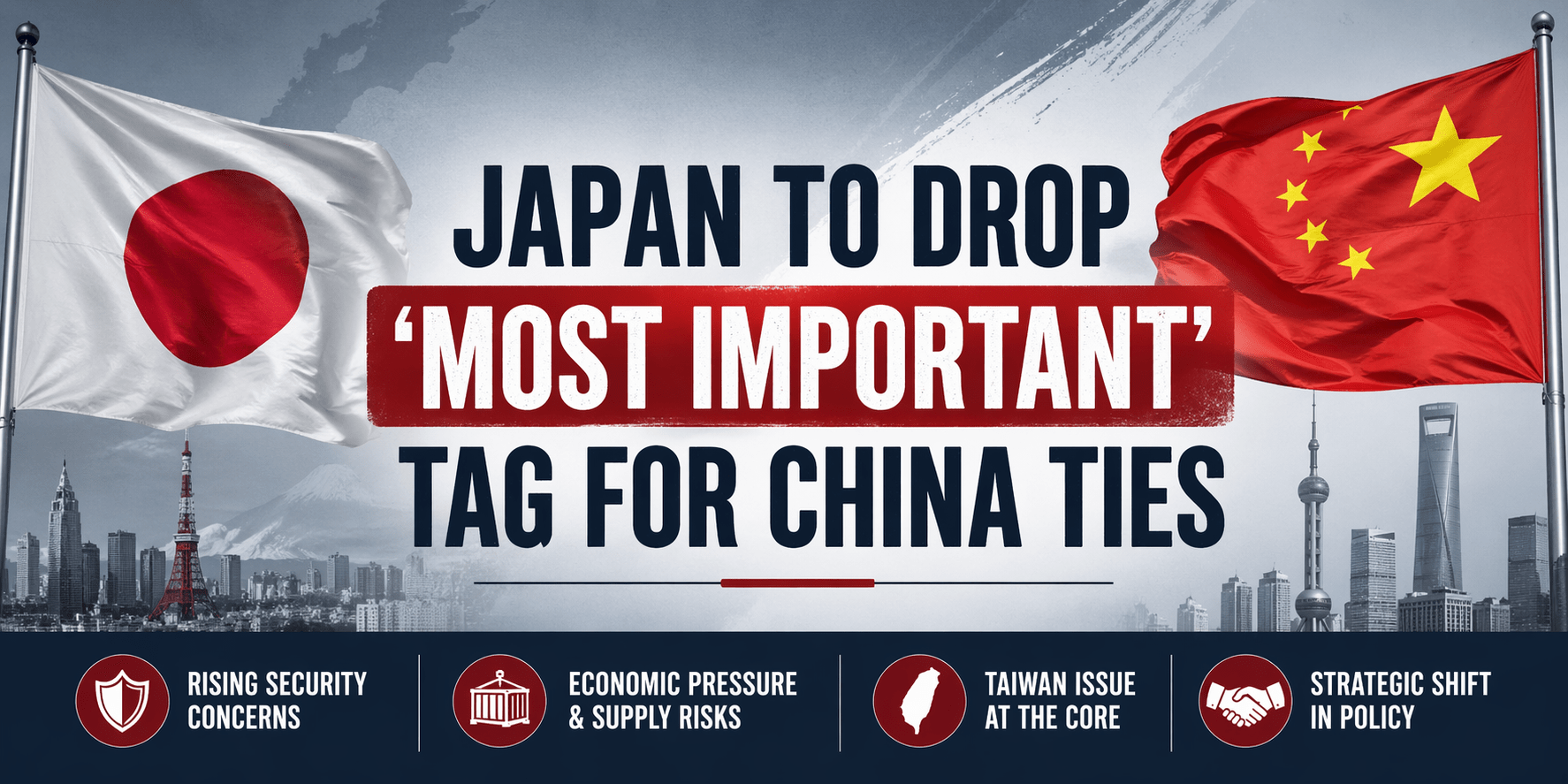
Japan’s decision to downgrade its long-standing characterization of relations with China marks more than a semantic adjustment—it reflects a structural shift in East Asia’s geopolitical landscape. The anticipated revision in Tokyo’s 2026 Diplomatic Bluebook, replacing the phrase “one of its most important” relationships with a more measured “important neighbour,” underscores a growing unease driven by sustained strategic, economic, and military tensions.
A Language Shift with Strategic Implications
Diplomatic language is rarely incidental. For decades, Japan has balanced economic interdependence with strategic caution in its dealings with China. By removing the “most important” designation, Tokyo is signaling that its priorities are evolving—away from engagement-led diplomacy toward a more guarded, security-conscious posture.
The revised framing of the relationship as “strategic” and “mutually beneficial” attempts to preserve diplomatic space while acknowledging increasing friction. However, the downgrade reveals a widening trust deficit that has been building over several years and appears to have hardened since late 2025.
Escalating Points of Friction
The policy shift comes amid a series of confrontations that have strained bilateral ties:
- Rare Earth Controls: China’s restrictions on critical minerals have exposed Japan’s vulnerability in high-tech supply chains, particularly in electronics and defense manufacturing.
- Military Tensions: Incidents involving radar lock-ons targeting Japanese aircraft have raised alarms within Tokyo’s defense establishment, reinforcing perceptions of an increasingly assertive Chinese military posture.
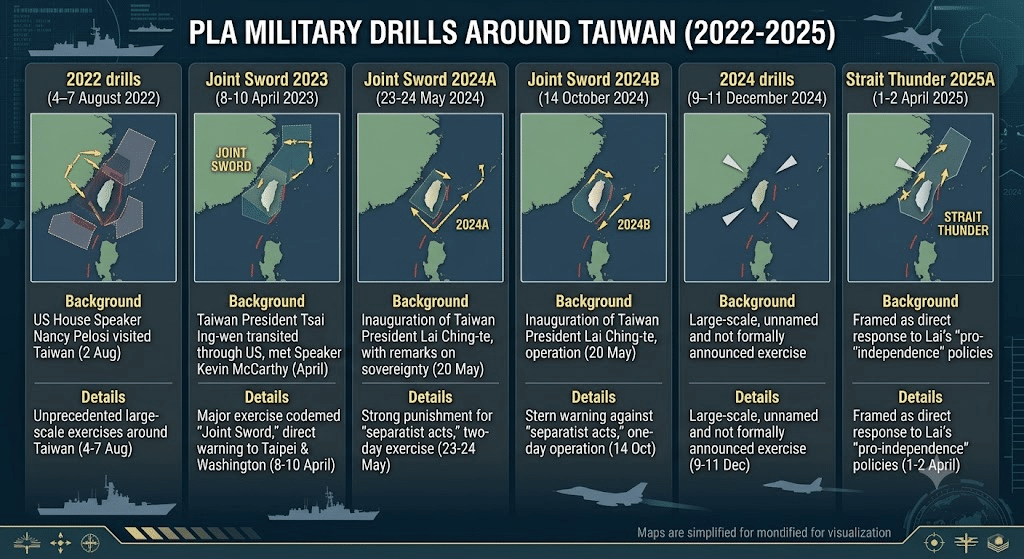
- Taiwan Factor: Japan’s growing willingness to articulate a potential security role in a Taiwan contingency has triggered strong reactions from Beijing, which views such statements as interference in its internal affairs.
These developments are not isolated. They form part of a broader pattern of coercive signaling and countermeasures that have pushed the relationship into a more adversarial phase.
Economic Retaliation and Strategic Decoupling
Beijing’s response has been swift and targeted. Restrictions on Japanese seafood imports, discouragement of Chinese tourism to Japan, and tightened controls over key exports point to a calibrated economic pressure strategy.
In parallel, Japan is accelerating efforts to diversify its supply chains. The recent joint initiative with the United States to develop alternative sources for rare earths and critical minerals reflects a long-term strategy aimed at reducing dependence on China. This aligns with a broader trend among advanced economies seeking resilience in strategic sectors.
Leadership and Policy Direction
Prime Minister Sanae Takaichi’s leadership has played a defining role in this shift. Her rhetoric—highlighting “coercion” and regional security threats—marks a departure from the more cautious tone of previous administrations. While Tokyo maintains that its stance is consistent with existing security frameworks, external assessments suggest a more assertive doctrine is emerging.
This recalibration is also shaped by the evolving regional environment, where China’s alignment with Russia and North Korea adds complexity to Japan’s security calculus. The convergence of these actors amplifies Tokyo’s concerns about a coordinated challenge to the existing regional order.
Regional and Global Implications
Japan’s policy adjustment carries implications beyond bilateral relations:
- Alliance Dynamics: It reinforces Japan’s strategic alignment with the United States, particularly in areas such as supply chain security and defense cooperation.
- Indo-Pacific Stability: A more cautious Japan-China relationship increases the risk of miscalculation, especially in contested areas like the East China Sea and around Taiwan.
- Economic Realignment: As Japan diversifies its economic dependencies, regional trade patterns may shift, impacting global supply chains.
Conclusion
Japan’s decision to downgrade its description of ties with China is not merely rhetorical—it reflects a deeper reassessment of risk, dependence, and strategic priorities. While diplomatic channels remain open, the trajectory points toward a more competitive and less predictable relationship.
For policymakers and observers alike, the key question is whether this recalibration will stabilize the relationship through clearer boundaries—or accelerate a drift toward sustained rivalry in one of the world’s most critical geopolitical theatres.