The Philippines’ latest accusation that Chinese vessels deployed cyanide near a contested atoll in the South China Sea, marks not just an isolated incident, but a potential extension of a broader pattern of environmental and grey-zone tactics increasingly associated with China’s maritime presence.
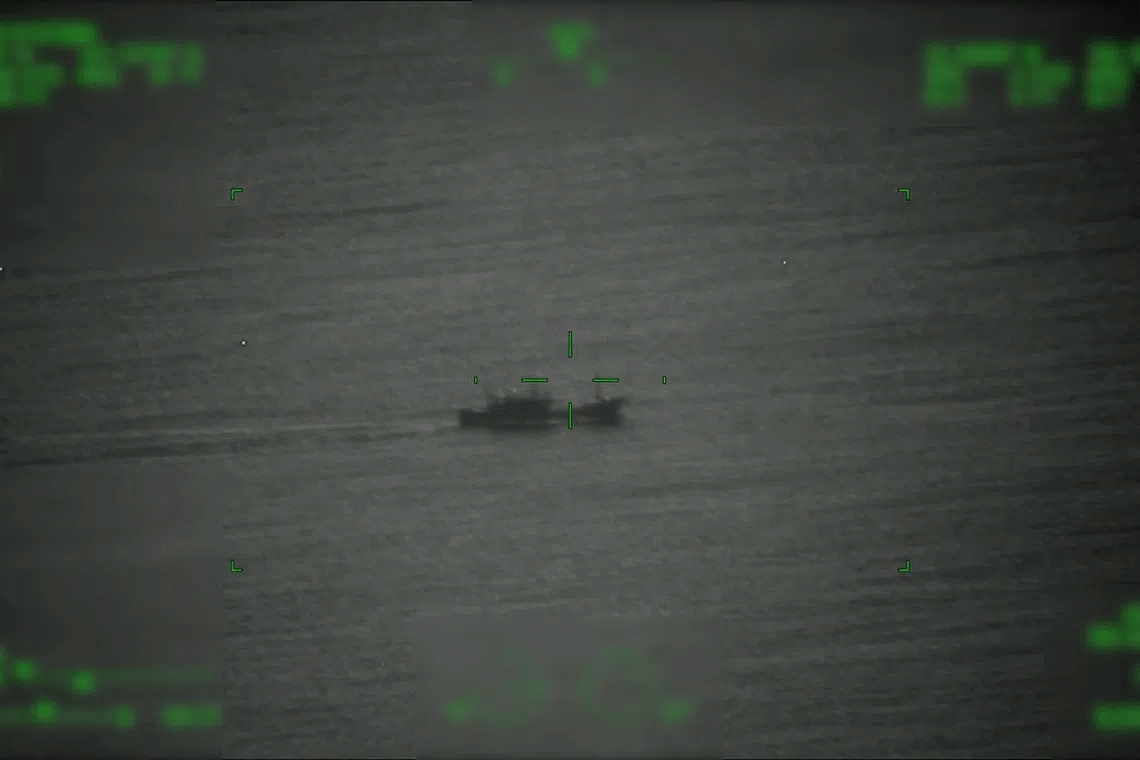
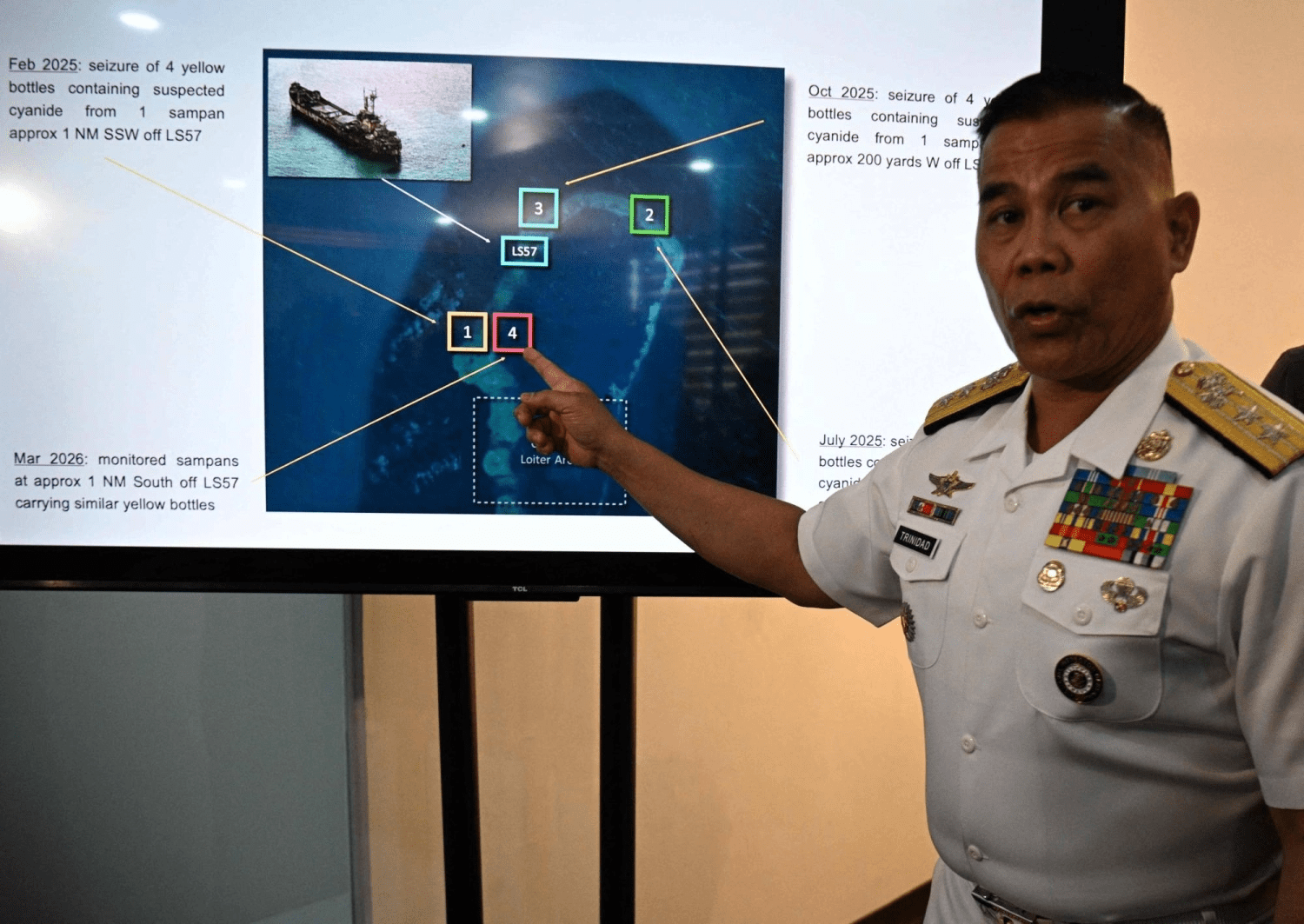
Philippine officials state that laboratory-confirmed cyanide was recovered from bottles seized near Second Thomas Shoal, warning that such substances could damage marine ecosystems and undermine the reef supporting Manila’s grounded naval outpost. If verified, the implications go beyond routine maritime confrontation, pointing toward deliberate ecological disruption as a strategic tool.
Beijing has predictably dismissed the claim as a “stunt,” maintaining that its vessels were engaged in normal fishing activity. However, such denials are consistent with past responses to allegations surrounding Chinese maritime conduct. Investigations into China’s distant-water fishing fleet have repeatedly highlighted illegal, unregulated, and opaque operations across multiple regions, including violations of Exclusive Economic Zones (EEZs), environmental degradation, and covert activity at sea. (Investigative Journalism Reportika)
Notably, an earlier investigation by Investigative Journalism Reportika found that Chinese fishing fleets have operated in the EEZs of over 80 countries, often employing tactics such as disabling tracking systems and engaging in unauthorized extraction of marine resources. These patterns reinforce concerns that fishing vessels may serve dual roles, economic and strategic, blurring the line between civilian and state-linked maritime activity.
The cyanide allegation must therefore be viewed in the context of a wider escalation pattern. In recent years, the Philippines has reported repeated incidents involving water cannons, obstruction of resupply missions, and physical harm to personnel. Each episode reflects a calibrated approach that avoids outright conflict while steadily increasing pressure on contested positions.
What distinguishes this latest development is its potential shift toward environmental coercion, a tactic that carries both operational and psychological impact. Damaging marine ecosystems not only threatens local livelihoods but also undermines the sustainability of forward-deployed military positions, effectively targeting both human and logistical vulnerabilities.
While independent verification remains essential, dismissing the allegation outright would ignore a growing body of evidence linking Chinese maritime activity to systematic overexploitation, environmental harm, and regulatory evasion on a global scale.
As tensions intensify, the South China Sea is increasingly defined not just by territorial disputes, but by the expansion of unconventional tactics, where environmental damage, economic pressure, and information warfare converge. The cyanide controversy, whether proven or contested, signals a dangerous evolution in how maritime power is projected in the region.