March 1, 2026 – The Middle East has plunged into its most dangerous crisis in decades following a joint U.S.–Israeli military operation against Iran that began in the early hours of February 28. The coordinated assault targeted Iranian leadership compounds, military infrastructure, ballistic missile facilities, air defense systems, and nuclear-related sites.
Iranian state media has confirmed the death of Ali Khamenei, Iran’s Supreme Leader since 1989. He was 86. His killing marks one of the most consequential geopolitical events in the region since the 1979 Islamic Revolution.
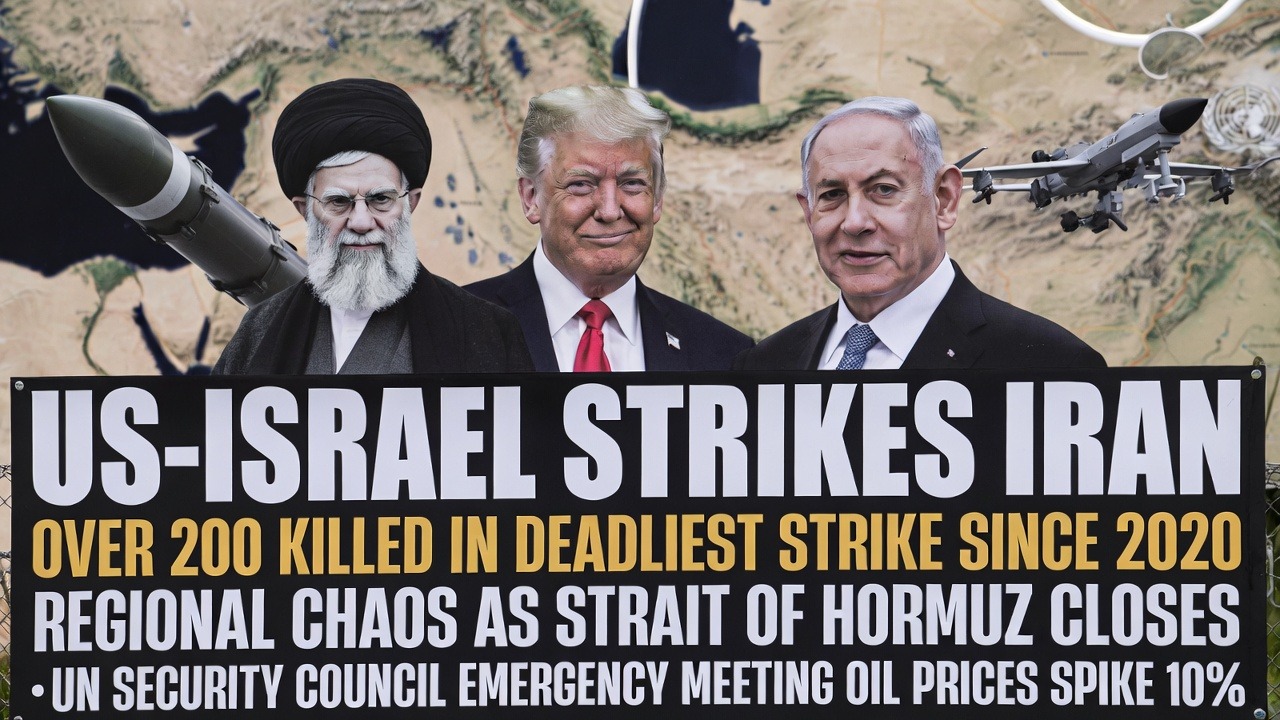
According to Iranian Red Crescent figures cited by state outlets, more than 200 people have been killed across Iran, with hundreds more injured. Casualty numbers continue to fluctuate amid ongoing assessments and limited independent verification.
Mounting Tensions and the Collapse of Diplomacy
For years, tensions between Iran, Israel, and the United States have simmered over Iran’s nuclear ambitions and its regional proxy network. Recent months saw renewed diplomatic efforts collapse amid accusations that Tehran was advancing ballistic missile capabilities while refusing to dismantle key nuclear infrastructure.
U.S. Secretary of State Marco Rubio publicly warned days before the strikes that Iran’s development of intercontinental ballistic missiles posed a strategic threat beyond the region.
Behind the scenes, talks involving Iran and the International Atomic Energy Agency (IAEA) stalled. Israeli officials accused Tehran of preparing imminent attacks, framing what followed as a preemptive necessity.
Operation “Epic Fury”
The joint assault—dubbed “Operation Epic Fury” by U.S. President Donald Trump and reportedly referred to as “Roaring Lion” by Israeli officials—was described by American sources as the “most lethal and complex precision aerial campaign in history.”
The operation involved waves of coordinated air and missile strikes on:
- Regime security apparatus facilities
- IRGC command centers
- Ballistic missile production sites
- Air defense networks
- Naval assets
- Nuclear-linked infrastructure
Satellite imagery showed the destruction of Khamenei’s official compound in Tehran. Iranian state television later confirmed his “martyrdom” and declared 40 days of national mourning.
Among those reported killed:
- Senior Islamic Revolutionary Guard Corps commanders
- High-level defense officials
- Adviser Ali Shamkhani
- Other members of Iran’s military and intelligence elite
In a Truth Social post, President Trump characterized Khamenei as “one of the most evil people in history” and called on Iranians to seize the moment for regime change.
Israeli Prime Minister Benjamin Netanyahu echoed that Iran must never be allowed to obtain nuclear weapons threatening global security.
Civilian Casualties and a School Tragedy
A particularly devastating incident occurred in Minab, southern Iran, where local authorities reported a strike on a girls’ primary school. Iranian officials stated that dozens of children were killed, with some reports placing the toll significantly higher. Independent verification remains difficult, but the episode has intensified regional outrage and global condemnation.
Iran’s Retaliation: Missiles, Drones, and Regional Shockwaves
Iran responded within hours. The Islamic Revolutionary Guard Corps (IRGC) launched more than 150 ballistic missiles and drones in initial waves targeting:
- Israeli cities including Tel Aviv and Jerusalem
- Up to 27 U.S. military installations across the Middle East
- Infrastructure in Gulf states including the UAE, Bahrain, Qatar, and Saudi Arabia
In Israel, at least one civilian death and over 100 injuries were reported following missile impacts. Air raid sirens sounded nationwide, schools were closed, and reserve forces were mobilized.
Explosions were reported near major Gulf aviation hubs, including Dubai and Doha. Airspace closures stranded tens of thousands of travelers across the region.
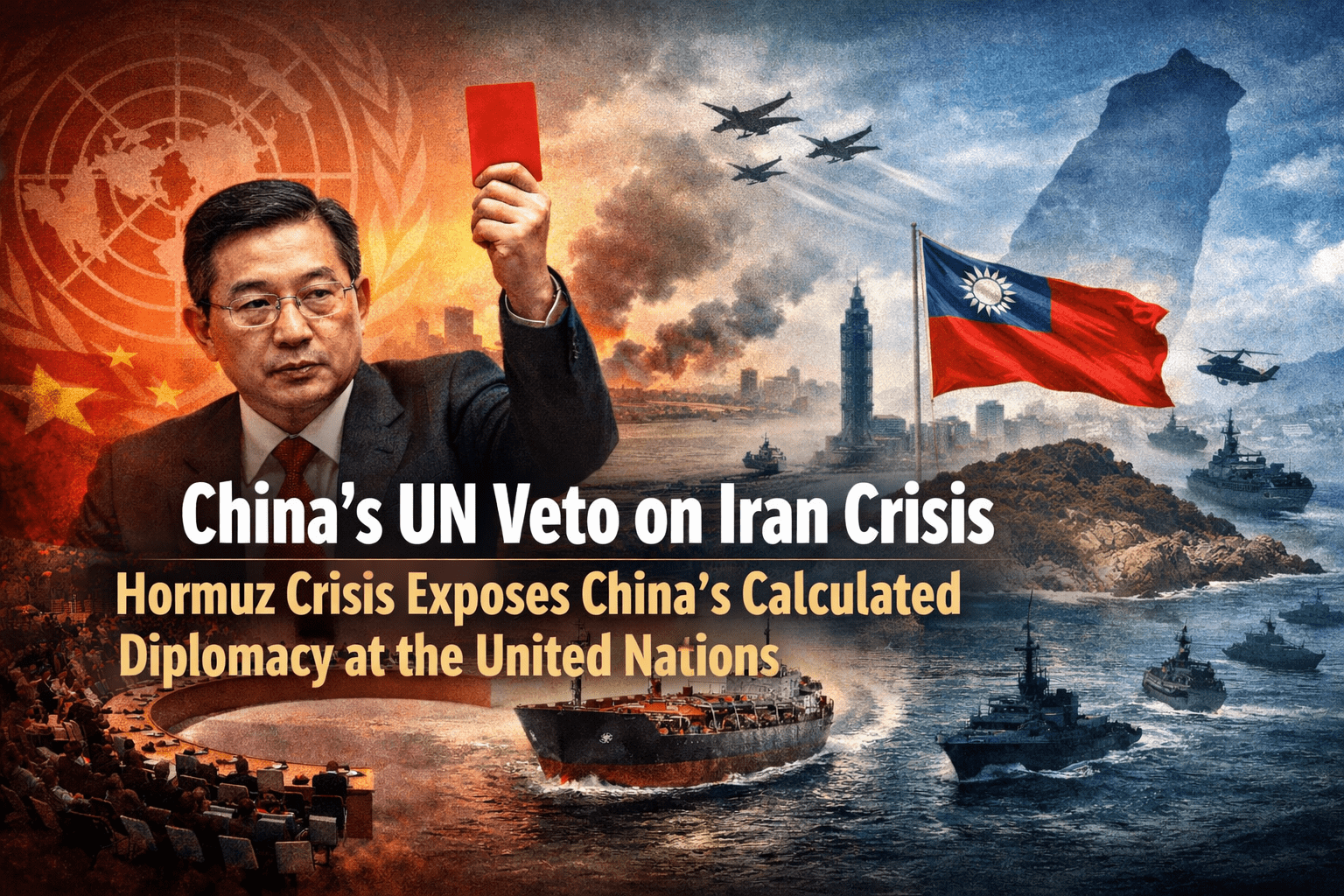
Iran also announced a temporary closure of the Strait of Hormuz, through which roughly 20% of global oil shipments transit daily—sending oil prices sharply higher and raising fears of prolonged economic disruption.
Casualty Snapshot (As of March 1, 2026)
Iran (from U.S.–Israeli strikes):
- Over 200 killed
- Approximately 700+ injured
- Includes senior leadership, military personnel, civilians, and reported school victims
Israel (from Iranian retaliation):
- 1 civilian killed
- Over 120 injured
Gulf States:
- At least 1 confirmed fatality
- Infrastructure damage under assessment
U.S. Forces:
- No confirmed fatalities reported
Total confirmed deaths exceed 200, primarily on the Iranian side, with numbers expected to evolve.
Global Reactions and Strategic Uncertainty
The United Nations Security Council convened an emergency session. Secretary-General Antonio Guterres warned of “uncontrollable ripple effects” across the region.
Russia condemned the strikes as unprovoked aggression. European leaders urged immediate de-escalation. Meanwhile, Iranian-backed militias in Iraq and elsewhere threatened expanded involvement, raising the specter of a multi-front proxy war.
The death of Khamenei leaves Iran facing a profound leadership vacuum. The IRGC appears to be consolidating control while succession deliberations remain opaque. Whether this moment triggers regime collapse, hardline consolidation, internal unrest, or prolonged regional warfare is unclear.
A Region at the Brink
As of March 1, exchanges remain intense but measured in certain sectors as both sides assess damage and strategic positioning. Diplomacy appears shattered, and scheduled nuclear oversight discussions face uncertain prospects.
The assassination of Iran’s Supreme Leader has transformed shadow conflict into direct confrontation. The coming days will determine whether this marks the unraveling of Iran’s current political order—or the ignition point of a far wider and more devastating war across the Middle East.