
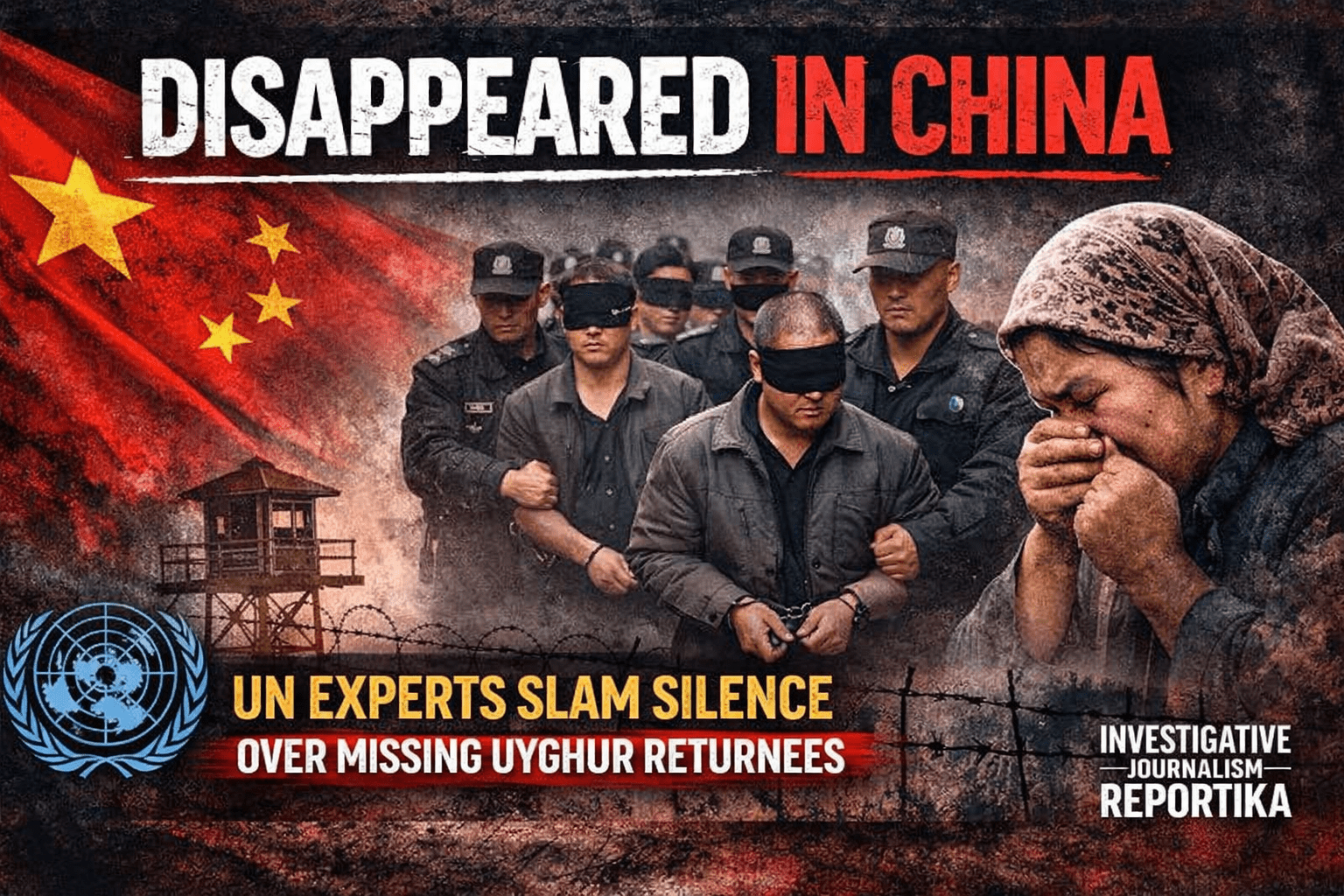
A year after Thailand forcibly deported 40 Uyghur Muslim men to China, their fate remains unknown, prompting renewed alarm from United Nations human rights experts who warn that the men may have fallen victim to enforced disappearance, torture, or other grave human rights violations.
In a strongly worded statement released Thursday, UN human rights experts expressed “grave concern” over the continuing silence surrounding the men’s whereabouts, noting that neither their families nor international monitors have received reliable information about their condition or detention status.
Deportation Under International Scrutiny
The crisis began on 27 February 2025, when Thai authorities deported the group to China after they had spent more than a decade in detention at Bangkok’s Suan Phlu Immigration Detention Centre. The men had been held incommunicado, without contact with their families or legal representation.
According to UN experts, the deportation was carried out despite urgent appeals from the United Nations, Thailand’s National Human Rights Commission, and multiple international civil society organizations.
The experts argue that the forced return violated the international legal principle of non-refoulement, which prohibits countries from returning individuals to states where they face a credible risk of persecution, torture, or death.
“The disappearances reflect a broader pattern of transnational repression targeting ethnic and religious minorities and individuals perceived to be critical of the Chinese Government,” the UN experts warned.
Families Left in the Dark
One year later, the situation remains opaque.
The UN experts say families of the deported men have received no confirmation about their loved ones’ locations, detention status, or even whether they are alive.
China has provided limited responses to international inquiries, but experts say these replies lack independent verification and fail to clarify the men’s situation.
“The lack of reliable, comprehensive and independently verified information surrounding these men’s fate and whereabouts is profoundly alarming,” the UN statement said.
Pattern of Transnational Repression
Human rights investigators say the case illustrates a growing global pattern in which authoritarian states pressure foreign governments to detain and return political dissidents, activists, or ethnic minorities.
In the Uyghur case, UN experts highlighted concerns about transnational repression, a practice in which governments pursue critics or vulnerable groups beyond their borders through deportation, intimidation, or surveillance.
The experts also cited credible reports indicating that relatives of detainees inside China face intense monitoring and intimidation.
Authorities reportedly track communications, movements, and social interactions of family members and local communities.
This surveillance environment creates a climate of fear that discourages families from speaking publicly or seeking information about missing relatives.
“Denying legal access while intimidating families into silence creates an environment where serious human rights violations can unfold unchecked,” the experts warned.
Legal Access Denied
Another major concern raised by the UN is the denial of legal representation.
The experts note that detainees in China frequently face restrictions on legal counsel, particularly in cases framed under broad national security provisions.
In many instances, lawyers are denied visits for months or even years, preventing detainees from challenging their detention or reporting abuse.
Human rights groups argue that this lack of transparency allows alleged abuses—including arbitrary detention, torture, and extrajudicial punishments—to occur without scrutiny.
Calls for International Action
UN experts have urged China to immediately clarify the fate of the 40 deported Uyghur men and to allow independent international monitors private access to them.
They also called on Thailand and other countries to halt the forced deportation of Uyghurs and strengthen safeguards against refoulement.
“The safety and wellbeing of these individuals must be guaranteed,” the experts said, emphasizing that governments have a legal obligation to prevent returns that may expose people to persecution.
The experts further urged the international community to strengthen accountability mechanisms for acts of transnational repression.
A Continuing Human Rights Crisis
The disappearance of the 40 men adds to broader concerns about the treatment of Uyghurs and other Muslim minorities in China’s Xinjiang region.
Over the past decade, international human rights organizations, researchers, and UN experts have documented allegations of mass detention, forced labor, surveillance, and cultural repression targeting Uyghur communities.
While Beijing has consistently denied accusations of systemic abuses, critics say cases such as the disappearance of the deported Uyghur men highlight the urgent need for transparency and independent monitoring.
Until their fate is clarified, the UN experts warn, the case will remain a stark example of how vulnerable populations can disappear into opaque security systems beyond the reach of international scrutiny.