
China Hikes Fuel Prices Despite Reserves and Iran Oil
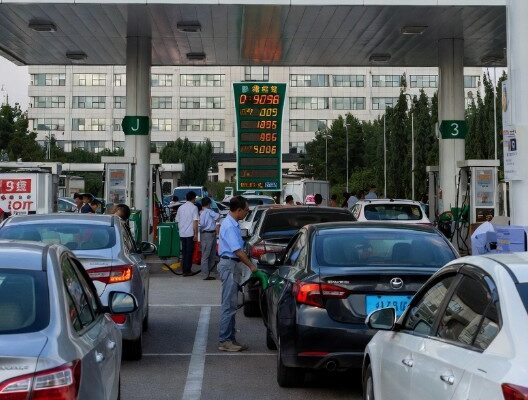
As the US-Israel conflict with Iran enters its third week on March 17, 2026, global oil markets remain volatile, with crude prices often exceeding $100 per barrel amid Middle East disruptions, Strait of Hormuz threats, and supply uncertainty. China, the world’s largest crude oil importer, has not escaped the impact. On March 9, 2026, the National Development and Reform Commission (NDRC) implemented its largest retail fuel price increase in four years, lifting gasoline ceilings by 695 yuan ($100) per tonne and diesel by 670 yuan ($97) per tonne. The change, effective March 10, raised pump prices by approximately 0.53–0.57 yuan per liter, noticeably increasing costs for drivers and businesses. China holds one of the world’s largest strategic petroleum reserves, with combined strategic and commercial stockpiles estimated between 900 million and over 1.2 billion barrels—enough to cover several months of imports. The country has aggressively built these reserves, with imports surging nearly 16% in January–February 2026 as Beijing stockpiled discounted crude from sanctioned Iran, Russia, and other sources during lower-price periods in 2025. Iran continues to be a major supplier, providing a large share of China’s seaborne imports—often accounting for over 80% of Iran’s exported crude, much of it processed by independent “teapot” refineries at discounted rates to bypass Western sanctions.Despite these advantages, domestic retail prices have risen significantly. China’s fuel pricing mechanism ties refined product prices to international benchmarks like Brent crude, with adjustments every 10 working days. While the government can cap retail prices and intervene during extreme volatility, sustained global price surges force partial pass-through to consumers to prevent severe losses for refiners and preserve market stability. The conflict has not only pushed benchmark prices higher but also increased effective costs through elevated shipping insurance, rerouting expenses, and risk premiums—even for Iranian oil still reaching Chinese ports.Large-scale release of strategic reserves could theoretically temper domestic prices by increasing supply, but authorities have so far avoided major drawdowns. These reserves are primarily intended to ensure physical supply security during prolonged crises, such as a potential full closure of the Strait of Hormuz, through which a substantial portion of China’s maritime oil imports flow. Instead, Beijing has focused on diversifying sources—boosting pipeline deliveries from Russia, expanding overland routes, and continuing selective stockpiling—while planning further reserve growth under its current five-year plan.The price increases have led to visible consumer reactions, including lines at gas stations as drivers fill up ahead of possible further hikes. In an economy facing growth challenges, higher fuel costs flow through to transportation, logistics, and manufacturing. Nevertheless, China’s swift transition to electrification—with the world’s largest electric vehicle market and ambitious renewable energy goals—offers some protection compared to more oil-dependent countries. Observers suggest the government may tolerate moderate price pass-through to promote energy efficiency and accelerate the shift from fossil fuels.This situation reveals the limits of even extensive stockpiling and preferential sourcing in today’s interconnected global oil market. While China’s preparations give it greater resilience than many nations during supply shocks, consumers still bear part of the burden from geopolitical events. As the conflict develops, NDRC pricing moves, reserve usage signals, and shifting import patterns will show how effectively Beijing balances energy security with economic pressures.
