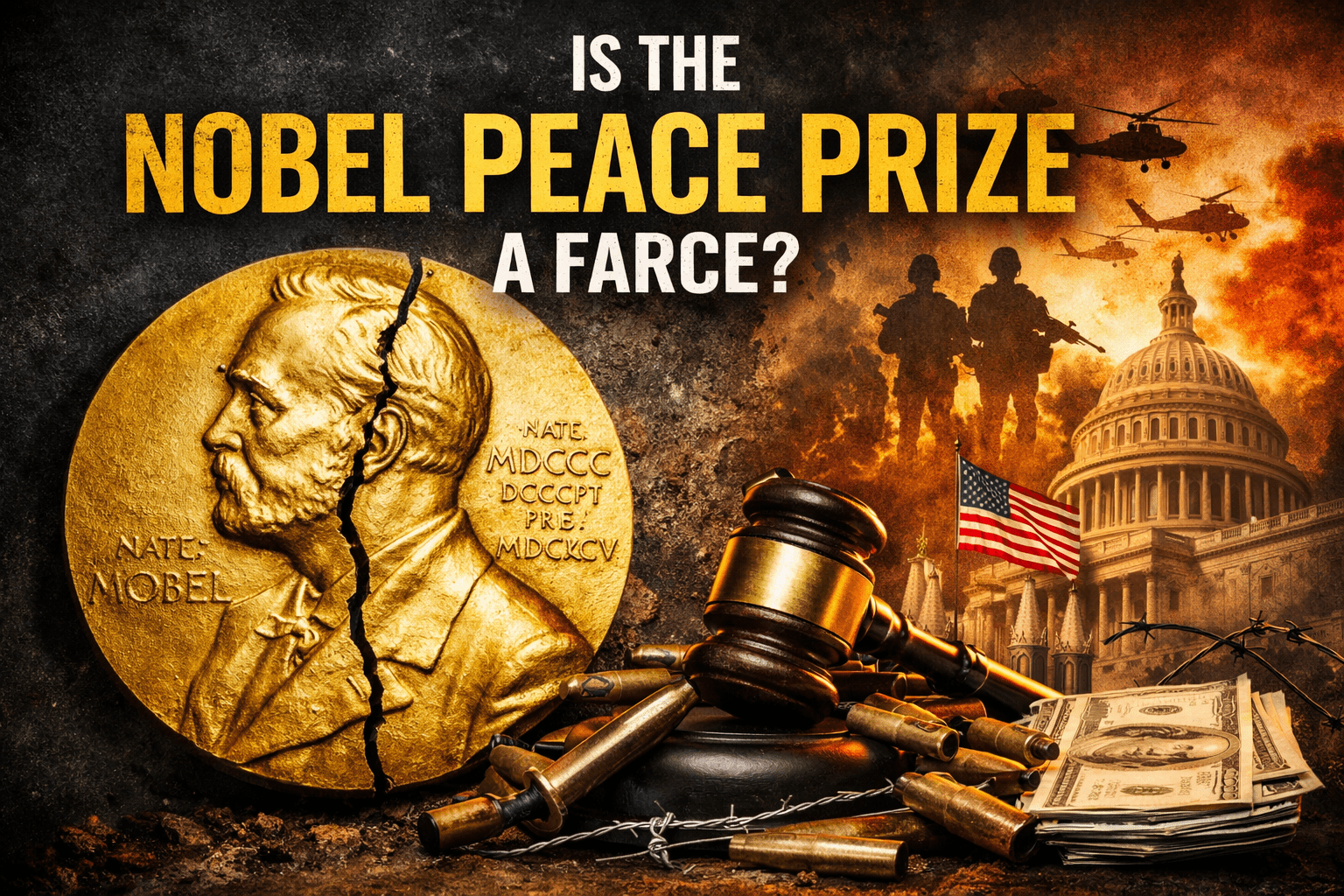
For more than a century, the Nobel Peace Prize has been celebrated as humanity’s highest honor for efforts in promoting peace and resolving conflict. Yet, an examination of laureates-particularly over the last three decades-reveals a troubling pattern. Winners have included political actors with controversial agendas, heads of states engaged in military campaigns, dissidents backed by major powers, and institutions implicated in conflict. Rather than consistently recognizing impartial peacemaking, the prize increasingly appears to reward actors whose actions align with geopolitical interests, sometimes even contradicting the very principles of peace it claims to honor.
The record from 1996 to 2025 shows repeated instances where laureates were linked to war, coercion, sanctions, or political agendas—raising questions about the true purpose of this “peace” award. While some winners, like Nadia Murad or Denis Mukwege, have made undeniable contributions to human rights and survivor advocacy, others have sparked controversy for promoting foreign intervention, supporting militarized solutions, or presiding over violent policies. This duality highlights a consistent tension between symbolic recognition and practical impact on peace.
Nobel Peace Prize Winners 1996–2025
| Year | Laureate(s) | Core Citation (short) | Pre-Award Controversy | Post-Award Controversy | Pro-USA? |
| 2025 | María Corina Machado | Democracy and transition in Venezuela | Polarizing, accused of pushing sanctions/foreign backing | Accused of aiding US interests; protests in Oslo | Yes (seen as US-aligned) |
| 2024 | Nihon Hidankyo | Advocacy of nuclear abolition | Occasional criticism by conservatives | Debate on symbolic vs. practical gains | No (pacifist, neutral) |
| 2023 | Narges Mohammadi | Women’s rights in Iran | Condemned by Iran | Iran labeled award Western meddling | Yes (aligned with USA-EU rights orgs) |
| 2022 | Bialiatski, Memorial, CCL | Documenting abuses in Belarus/Russia/Ukraine | Labeled foreign agents | Russia/Belarus say anti-government | Yes (supported by US/EU) |
| 2021 | Maria Ressa & Dmitry Muratov | Defending press freedom | Accused of bias, govt harassment | Seen as anti-authoritarian | Yes (supported by US outlets/institutions) |
| 2020 | World Food Programme | Fighting hunger | Mild UN bureaucracy critiques | Debate on depoliticized aid | Mixed (UN body, works with US but neutral) |
| 2019 | Abiy Ahmed | Ethiopia-Eritrea peace | Reform skeptic views | Tigray war atrocities claims | Mixed (initially US-backed, later criticized) |
| 2018 | Mukwege & Murad | Ending sexual violence in conflict | Little controversy | Criticized at home for speaking out | Yes (strong US/EU support networks) |
| 2017 | ICAN | Nuclear weapons ban treaty | Opposed by nuclear states | Debate vs. arms control frameworks | No (US opposed its treaty) |
| 2016 | Juan Manuel Santos | Ending Colombia’s war | Polarizing in Colombia | Peace deal rejected by voters | Yes (supported US-Colombia peace policy) |
| 2015 | National Dialogue Quartet | Democracy after Arab Spring | Disputed politics | Tunisia backsliding questions | Yes (US supportive, doubtful alignment) |
| 2014 | Satyarthi & Malala | Rights of children to education | Malala polarizing at home | Continued backlash | Yes (Malala strongly US-supported) |
| 2013 | OPCW | Eliminating chemical weapons | Slow progress critics | Syria attacks undermine award | Mixed (works with US but independent) |
| 2012 | European Union | Peace, democracy, human rights | Criticized for austerity/migration | Seen as political during crisis | Yes (core US ally) |
| 2011 | Sirleaf, Gbowee, Karman | Women’s rights and peace | Sirleaf’s past links with Taylor | Gov’t corruption debates | Yes (all backed by US programs) |
| 2010 | Liu Xiaobo | Nonviolent struggle in China | Imprisoned dissident | China boycotted Norway | Yes (aligned with US democracy agenda) |
| 2009 | Barack Obama | Strengthening diplomacy | Too new in office | Drone warfare backlash | Yes (US President) |
| 2008 | Martti Ahtisaari | Conflict mediation | Kosovo critics | Ongoing dispute about settlements | Mixed (Western mediator, not pro-US per se) |
| 2007 | IPCC & Al Gore | Climate research & awareness | Climate skeptics attacks | Claims of politicization | Yes (Gore US leader; IPCC neutral) |
| 2006 | Yunus & Grameen Bank | Microcredit for poor | Debt-trap criticisms | Forced exit from Grameen | Yes (US-friendly funding) |
| 2005 | IAEA & ElBaradei | Preventing nuclear misuse | Too tough/soft on Iran/Iraq | ElBaradei role in Egypt turmoil | Mixed (sometimes at odds with US policy) |
| 2004 | Wangari Maathai | Environment & democracy | Criticized by Kenyan gov’t | Sporadic disputes | Mixed (global backing, not US-driven) |
| 2003 | Shirin Ebadi | Iranian human rights | Attacked by Iran | Harassment, assets seized | Yes (supported by US/EU NGOs) |
| 2002 | Jimmy Carter | Diplomacy & human rights | Criticism at home | Critiques over Israel stance | Mixed (US figure but critical of US policy) |
| 2001 | UN & Kofi Annan | Organizing a peaceful world | UN failures Rwanda/Srebrenica | Oil-for-Food + Iraq disputes | Mixed (UN sometimes opposed US policy) |
| 2000 | Kim Dae-jung | Korea reconciliation | Alleged secret payments | “Cash for summit” scandal | Yes (South Korea-US aligned state) |
| 1999 | Médecins Sans Frontières | Humanitarian medicine | Criticized for politicized stances | Neutrality disputes | No (fiercely independent of US influence) |
| 1998 | Hume & Trimble | Northern Ireland peace | Opposed by hardliners | Fragile peace backlash | Yes (US brokered Good Friday peace) |
| 1997 | ICBL & Jody Williams | Banning landmines | Opposed by militaries | US refused treaty | No (US opposed treaty) |
| 1996 | Belo & Ramos-Horta | Peaceful solution in Timor | Indonesia hostility | Later internal politics | Yes (US-supported East Timor independence) |
The “Peace” Laureates Who Backed Wars, Sanctions, Violence or Coercive Power
Below is a record of actions, statements, or associations with violence, conflict, or coercion – either before or after receiving the prize – among prominent laureates.
2025 – María Corina Machado
Before the Nobel Prize
- Advocated for U.S. sanctions on Venezuela, arguing “all pressure internal and external must be used” to remove Nicolás Maduro. Critics say sanctions deepened Venezuela’s economic collapse and humanitarian suffering.
- Supported foreign-backed regime change, backing the U.S.-supported 2019 interim government plan led by Juan Guaidó.
- Accused by the Maduro government of:
- Working as a “foreign agent”
- “Inviting U.S. military intervention”
- Acting as a “puppet for Washington”
- Openly rejected negotiations with the government, calling dialogue “useless,” positioning herself as a hardliner rather than a reconciler.
After the Nobel Prize
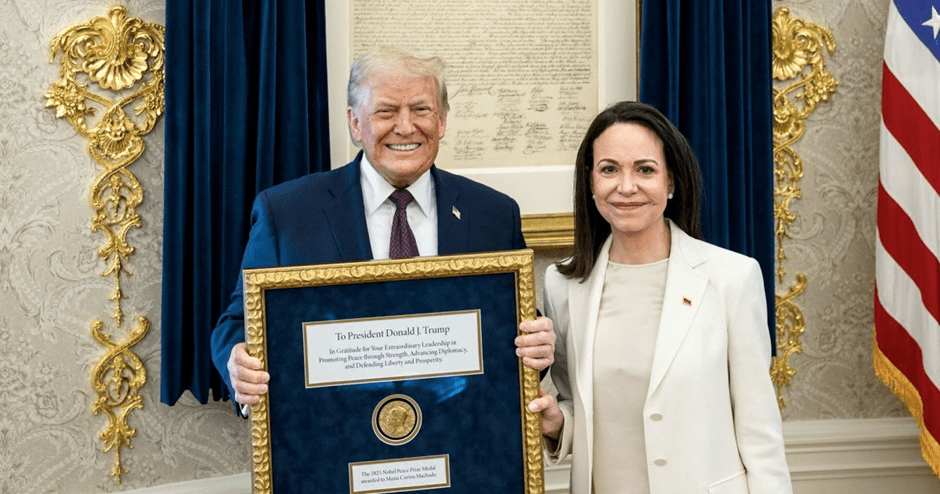
- 2026 — Handed her Nobel medal to Donald Trump at the White House.
- Called it a “profound expression of gratitude”
- Sparked global disbelief and outrage
- Gesture came immediately after a U.S. military operation captured Maduro, linking her praise to armed intervention, not peaceful activism.
- Norwegian backlash
- Former Deputy Foreign Minister: “Pathetic… disrespectful…”
- Labour Party lawmaker: “Incredibly embarrassing… damaging to the prize”
- Nobel Peace Center: “A medal can change owners, but the title cannot.”
- Seen as validating accusations that:
- Her movement prioritizes foreign pressure and force
- Her prize reflected geopolitics, not peacebuilding
- She is aligned with U.S. strategic interests, not neutral peace efforts
- Symbolically strengthened U.S. political narratives, with Trump celebrating it as proof he “deserved” the Nobel, turning the award into a partisan tool.
References: NYT, international wire coverage, Venezuelan press.
2023 – Narges Mohammadi
Before Winning the Nobel
- Long-time Iranian human rights and anti-torture activist.
- Repeatedly arrested since the early 2000s for peaceful advocacy against mandatory hijab, executions, and solitary confinement.
- Accused by Iran of “propaganda against the state” and “collaboration with hostile groups,” though she consistently promoted non-violent resistance.
- Frequently imprisoned, denied medical care, and cut off from her family even before her Nobel recognition.
After Winning the Nobel
- Crackdown intensified, rather than eased.
- State media labeled her Nobel Prize a foreign conspiracy and accused her of undermining national security.
- Barred from receiving the prize in person; her children accepted the award while she remained in prison.
- December 2025: violently re-arrested during a memorial gathering; reports of beatings and solitary confinement.
- Held without full legal access; health deteriorated, temporarily hospitalized under guard.
- Continues to face risk of torture, new charges, and prolonged detention amid broader nationwide repression.
References: Iranian state media coverage, rights group reporting.
2022 – Ales Bialiatski / Memorial / CCL
Before Winning the Nobel
- Veteran Belarusian democracy and human rights activist; founder of Viasna Human Rights Centre.
- Targeted for peaceful activism, including documenting political persecution and detentions.
- Imprisoned multiple times by the Lukashenko regime:
- 2011 – Sentenced to over 4 years on alleged tax charges; widely criticized as politically motivated.
- 2021 – Arrested again amid nationwide crackdown following mass protests.
- Accused of financing “illegal civil society activities”, a charge widely viewed as retaliation for his non-violent work.
- Worked inside Belarus despite escalating repression and criminalization of dissent.
After Winning the Nobel
- Awarded the 2022 Nobel Peace Prize, shared with Ukrainian and Russian civil society groups.
- Recognition did not lead to his release; Belarus dismissed the prize as foreign interference.
- March 2023 – Sentenced to 10 years in prison, in what rights groups call a show trial.
- Conditions reportedly harsh: isolation, denial of communication, and risk of torture.
- December 2025 – Released in a mass prisoner release tied to a sanctions negotiation with the United States.
- His release was conditional and forced deportation-style, raising concerns:
- Activists argue he “should never have been jailed”
- Over 1,200 political prisoners remain detained in Belarus
- His case underscores how:
- The award amplified his name only when he served a geopolitical narrative.
- His release was brokered by sanctions, not Scandinavian moral prestige.
- The Nobel Peace Prize recognizes struggles that align with US/EU diplomatic goals, but it does not fundamentally change conditions for winners unless U.S. or EU foreign policy finds it advantageous.
References: Belarusian and Russian state sources, NGO documentation.
2021 – Maria Ressa & Dmitry Muratov
- Maria Ressa repeatedly encouraged Western sanctions and diplomatic pressure against Duterte-era officials, arguing “impunity must have consequences,” which critics framed as inviting foreign interference.
- Dmitry Muratov condemned Russia’s invasion of Ukraine and said Russians “must arm ourselves with truth” — a phrase adversaries claimed implicitly accepted Western military backing for Kyiv.
- Both were portrayed in state media as aligned with U.S.-EU messaging and “information warfare.”
References: Rappler statements, Novaya Gazeta & wire interviews.
2019 – Abiy Ahmed
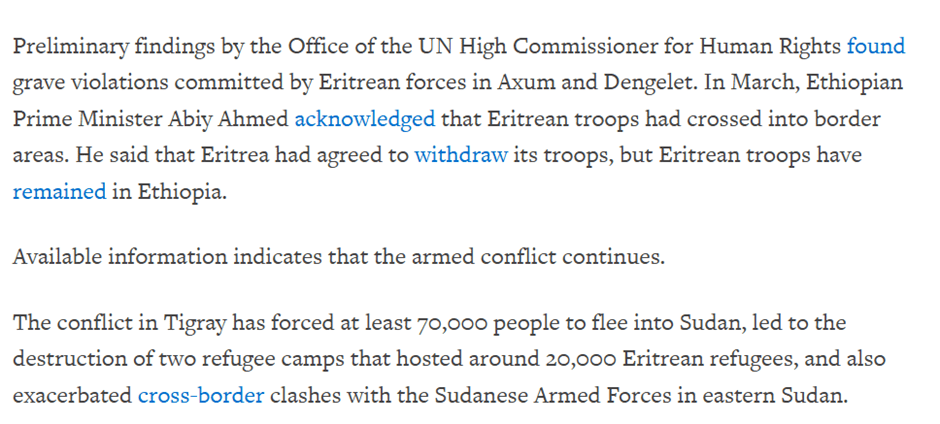
- Celebrated for the Ethiopia–Eritrea peace deal, but within two years launched major military offensives in Tigray, with UN bodies reporting mass casualties, mass displacement, and sieges.
- Declared he would “hunt down traitors” and “bury the enemy,” rhetoric analysts considered incitement.
- Oversaw blockades and airstrikes during a conflict critic call one of the region’s worst in decades.
References: UN reports, Reuters, BBC.
2018 – Nadia Murad & Denis Mukwege
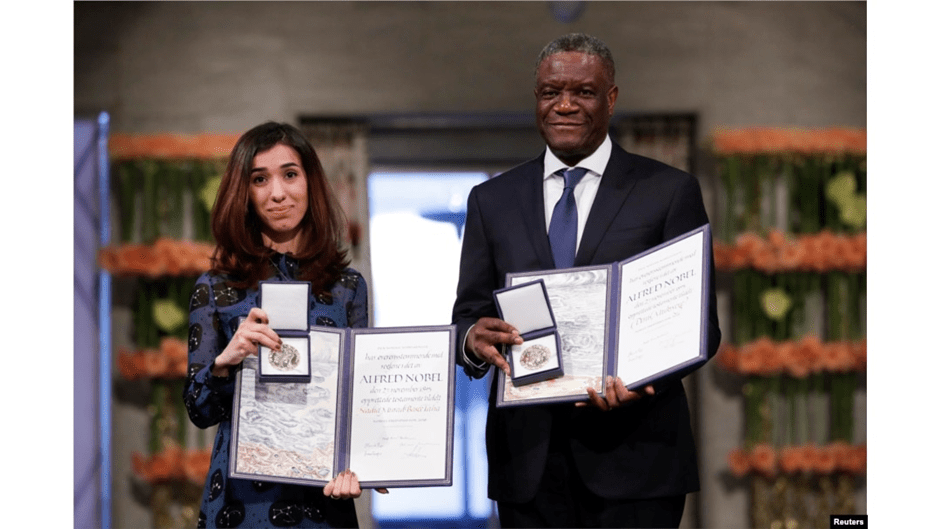
- Nadia Murad is a Yazidi woman from Sinjar in Iraq who survived abduction and sexual enslavement by ISIS in 2014, after much of her community was massacred. After escaping, she chose to speak publicly about what was done to her and other Yazidi women, breaking stigma and pushing the world to recognize these abuses as genocide and systematic sexual violence.
- She went on to become a leading global advocate: founding Nadia’s Initiative to rebuild Yazidi and other war‑torn communities, pressing the UN Security Council to create a mechanism to investigate ISIS crimes, and promoting standards such as the “Murad Code” for ethically engaging with survivors.
- Her voice brings survivor leadership into diplomatic and legal forums that once largely spoke about, but not with, victims.
- Denis Mukwege is a Congolese gynecologist who founded Panzi Hospital in eastern Democratic Republic of Congo, where he and his team have treated tens of thousands of survivors of wartime sexual violence since the late 1990s. Panzi’s holistic model combines surgery, psychological support, legal aid, and economic reintegration, so women receive comprehensive care rather than just one‑time treatment.
- Mukwege said “armed international action is necessary” to curb militia violence — an argument many peace scholars define as militarist.
References: UN speeches, international interviews.
2017 – ICAN
- The International Campaign to Abolish Nuclear Weapons (abbreviated to ICAN) is a global civil society coalition working to promote adherence to and full implementation of the Treaty on the Prohibition of Nuclear Weapons.
- Though nonviolent, critics argue ICAN rhetoric treats deterrence states as immoral enemies and pushes a treaty framework that could destabilize global nuclear balance.
References: NATO states’ briefings and Wikipedia.
2016 — Juan Manuel Santos
- Juan Manuel Santos is a Colombian politician who was the President of Colombia from 2010 to 2018.
- Former defense minister involved in “false positives” era — the army killing civilians and labeling them guerrillas.
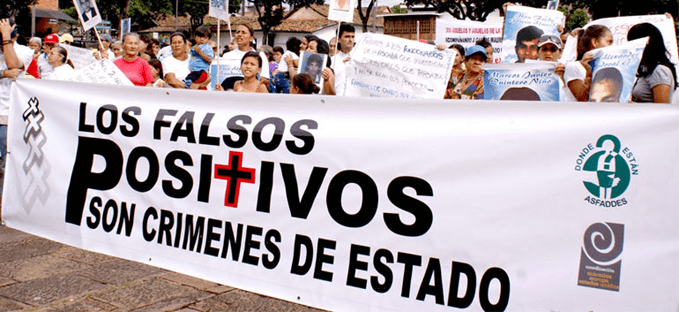
- Oversaw years of hardline war strategy before peace talks.
References: Colombian truth commission, regional reporting.
2014 – Malala Yousafzai & Kailash Satyarthi
- Malala Yousafzai is a Pakistani activist and Nobel Peace Prize laureate who advocates for girls’ education and women’s rights. She became famous for her childhood activism against the Tehreek-e Taliban Pakistan’s restrictions on girls’ education.
- In 2012, a Taliban gunman shot her in the head, but she survived and went on to speak at the United Nations in 2013, calling for universal education.
- Malala rarely condemns Pakistan’s Taliban factions by name – critics accuse her of selective silence.
- Her own home region saw militant reprisals after her rise.
- She has been selectively silent on the grim state of minorities in Pakistan including Hindus, Sikhs and Christians.
- Kailash Satyarthi is an Indian activist and Nobel Peace Prize laureate who has dedicated his life to ending child labor and advocating for children’s rights. In 1980, he gave up a career as an electrical engineer to found Bachpan Bachao Andolan, or “Save the Childhood Movement“. His organization has rescued over 100,000 children from forced labor, trafficking, and exploitation.
References: Indian and Pakistan’s media, think tanks reports.
2013 – OPCW
- The Organisation for the Prohibition of Chemical Weapons (OPCW) is an intergovernmental organisation and the implementing body for the Chemical Weapons Convention (CWC), which entered into force on 29 April 1997.
- OPCW’s work facilitated international military campaigns in Syria, including US missile strikes justified via chemical weapons verification.
References: Syria strike justifications, UN Security Council debates.
2012 – European Union
- The European Union (EU) was awarded the 2012 Nobel Peace Prize, recognized for over six decades of advancing peace, reconciliation, democracy, and human rights in Europe, transforming it from a war-torn continent to one of peace and unity.
- However, EU in the past:
- Supported NATO’s 1999 Kosovo bombing
- Armed Libyan rebels (2011)
- Operates militarized border control leading to thousands of migrant deaths
- Frequently uses economic coercion through sanctions — a nonviolent tool with violent consequences.
References: EU records, Amnesty reports.
2011 – Ellen Johnson Sirleaf
- Ellen Eugenia Johnson Sirleaf is a Liberian politician who served as the 24th president of Liberia from 2006 to 2018. Sirleaf was the first elected female head of state in Africa.
- Supported US-backed Liberian military interventions earlier in life.
References: Liberia press, Truth and Reconciliation findings.
2010 – Liu Xiaobo
- Liu Xiaobo was a Chinese literary critic, human rights activist, philosopher and Nobel Peace Prize laureate who called for political reforms and was involved in campaigns to end Chinese Communist Party one-party rule in China.
- Wrote “300 years of colonial rule” by the West would benefit China – interpreted by opponents as endorsing imperial domination.
References: Charter 08 discourse critics
2009 – Barack Obama
- Barack Hussein Obama II is an American politician who served as the 44th president of the United States from 2009 to 2017. A member of the Democratic Party, he was the first African American president.
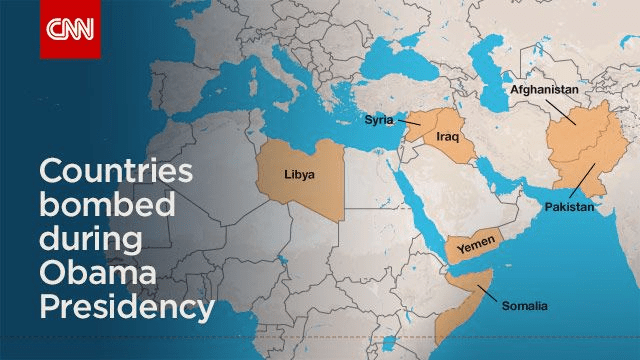
- Received the prize while leading two wars (Iraq & Afghanistan).
- Expanded drone strikes in Yemen, and Somalia – with civilian casualties.
- Approved intervention in Libya.
References: US military records, NYT, CNN, Pentagon numbers.
2008 – Martti Ahtisaari
- Martti Oiva Kalevi Ahtisaari was a Finnish politician and diplomat who was the president of Finland from 1994 to 2000. He was Finland’s Ambassador to Tanzania from 1973 to 1977 and United Nations Commissioner for Namibia from 1977 to 1981.
- Advocated NATO intervention in Kosovo and Bosnia – critics say he endorsed war as a conflict-resolution tool.
- References: diplomatic archives.
2007 – IPCC & Al Gore
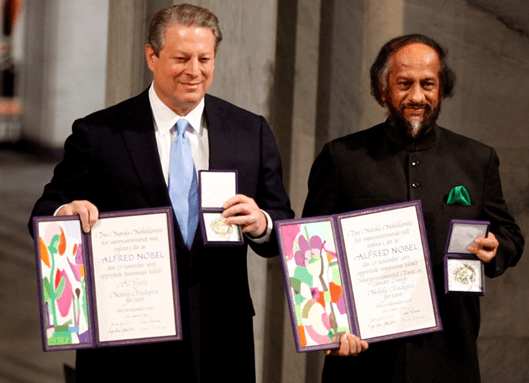
- The IPCC (Intergovernmental Panel on Climate Change) and Al Gore jointly won the 2007 Nobel Peace Prize for their efforts to raise global awareness about human-caused climate change, with the IPCC providing the scientific assessments and Gore popularizing them through work like An Inconvenient Truth, laying groundwork for climate action.
References: climate policy critics.
2006 – Muhammad Yunus
- Muhammad Yunus and Grameen Bank were awarded the Nobel Peace Prize for 2006 for their work to “create economic and social development from below”.
- Following Sheikh Hasina’s resignation on 5 August 2024, the Bangladesh Hindu Buddhist Christian Unity Council reported about 2,010 incidents of attacks on minority homes, businesses, and places of worship in the 16‑day period from 4–20 August 2024 (including 69 temples attacked and many Hindus killed), Yunus largely refrained from practical protective action, instead dismissing much of the violence as “exaggerated” and politically rather than communally motivated;
- His government acknowledged only 88 cases of violence with about 70 arrests.
- Christian, Hindu and Buddhist communities attacked amid political unrest surrounding Yunus’s government- human rights activists accuse him of mobilizing the mobs.
References: Bangladeshi press, Indian Press, human rights NGOs.
Conclusion
The Nobel Peace Prize, as it stands today, functions less as a neutral arbiter of peace than as a political instrument. It has:
- Rewarded leaders and institutions actively engaged in war or violent conflict.
- Celebrated figures who advocate sanctions or military intervention, often with severe humanitarian consequences.
- Overlooked or marginalized grassroots anti-war activists in favor of Western-aligned political actors.
- Amplified geopolitical narratives rather than fostering genuine, lasting reconciliation.
While individual laureates have certainly advanced justice, human rights, or anti-violence advocacy, the pattern of awarding frequently serves strategic interests rather than objective peacebuilding. In this light, the Nobel Peace Prize today is less a celebration of universal ideals and more a reflection of politics, power, and selective morality. It raises a stark question: does the world honor peace-or merely those who can package conflict in a way that suits global agendas?
The Nobel Peace Prize today symbolizes not peace – but politics.