As the Middle East conflict intensifies following the US–Israel strikes on Iran February 2026, a new diplomatic alignment has emerged that raises uncomfortable questions about intent and credibility. Is China genuinely pursuing peace, or is it using Pakistan as a convenient geopolitical instrument to expand its influence while avoiding accountability?
At the center are Xi Jinping and Donald Trump, whose competing approaches, diplomatic positioning versus military pressure, are shaping the trajectory of the conflict. Beneath Beijing’s peacemaker narrative lies a more calculated strategy.
Pakistan’s Role: Mediator or Middleman?
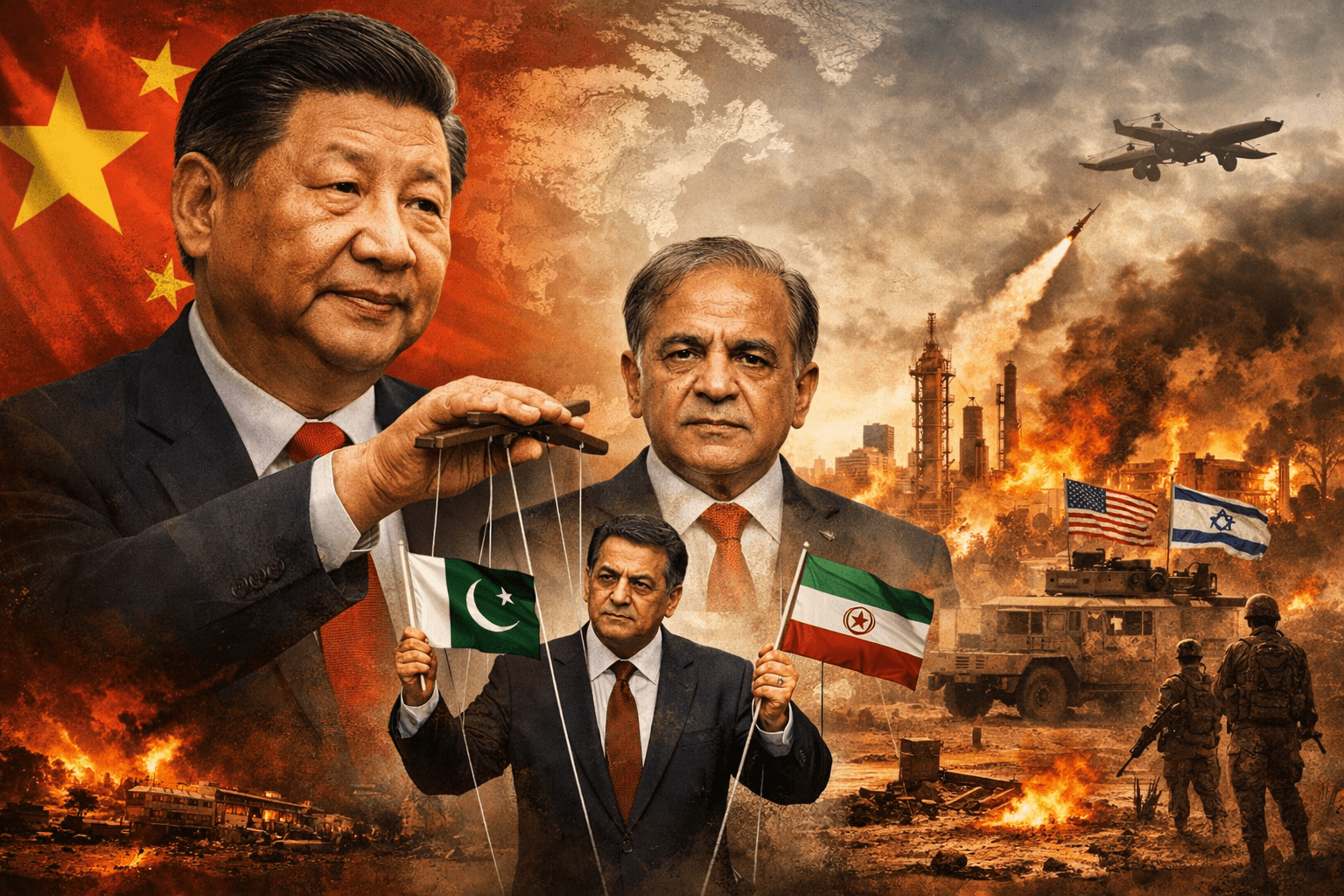
Pakistan’s sudden positioning as a mediator appears less organic and more orchestrated. Long reliant on Chinese economic and strategic backing, Islamabad’s diplomatic initiative, particularly the joint five-point plan with Beijing, suggests alignment rather than independence.
While Pakistani officials present themselves as neutral brokers, the reality is more complex. By stepping forward, Islamabad provides Beijing with a buffer, a way to influence negotiations without directly engaging or risking diplomatic fallout. This raises concerns about whether Pakistan is acting as a sovereign mediator, or as a channel advancing Chinese interests under the guise of neutrality.
Beijing’s Peace Push Driven by Self-Interest
China’s entry into the mediation effort is notably late and carefully calibrated. For weeks, Beijing maintained a muted response, only stepping in when the economic implications became harder to ignore.
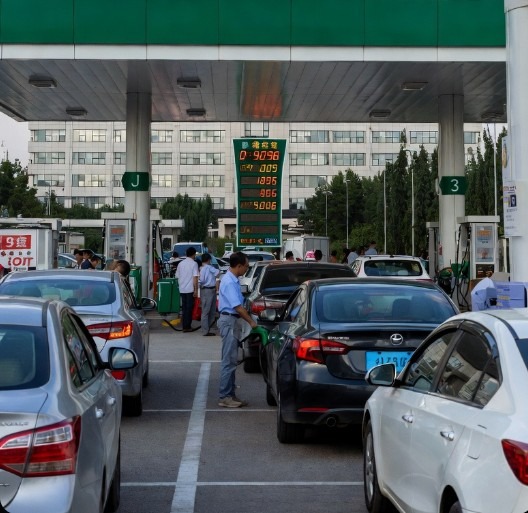
The motivation is clear. As the world’s largest oil importer, China has a direct stake in stabilizing energy flows, particularly through the Strait of Hormuz. A prolonged conflict threatens not just supply chains but also China’s fragile economic recovery.
Beijing’s expanding commercial footprint in the Middle East, from infrastructure to energy investments, further explains its urgency. Stability, in this sense, is less about regional peace and more about protecting Chinese economic exposure.
Strategic Convenience: Why Pakistan Fits the Role
Pakistan offers Beijing a strategically convenient platform:
- It maintains working ties with both Washington and Tehran
- It carries less global scrutiny than China
- It allows Beijing to influence outcomes without direct responsibility
However, this arrangement also exposes Pakistan to criticism. By aligning closely with China’s diplomatic agenda, Islamabad risks undermining its own credibility as an impartial mediator. Instead of acting as a bridge, it may be seen as amplifying Beijing’s geopolitical messaging.
Credibility Gaps and Structural Limits
China’s attempt to present itself as a neutral peacemaker faces persistent skepticism. Its alignment with Russia, its assertive posture in Asia, and its reluctance to criticize authoritarian allies weaken its claims of impartiality.
Moreover, Beijing lacks the hard power necessary to enforce or guarantee any agreement. Unlike the United States, which maintains a strong military presence in the Gulf, China’s influence remains largely economic and rhetorical.
This limitation raises a critical question. Can a country that avoids security commitments truly shape the outcome of a high intensity regional conflict?
Optics vs Reality
China’s diplomatic engagement, amplified through Pakistan, appears as much about optics as outcomes. By promoting ceasefire proposals and dialogue frameworks, Beijing positions itself as a responsible global actor, particularly in contrast to Washington’s military approach.
Yet, the timing and method of its involvement suggest a reactive strategy driven by economic anxiety rather than principled leadership.
Pakistan’s participation, meanwhile, risks being perceived not as a stabilizing force but as a facilitator of China’s indirect influence. This blurs the line between mediation and alignment.
Conclusion: A Risky Balancing Act
China is not overtly using Pakistan in a traditional proxy sense, but the relationship increasingly resembles one of strategic convenience. Islamabad gains visibility on the global stage, while Beijing extends its reach without direct exposure.
The cost, however, may be credibility. For both countries, the perception of opportunism, stepping in only when interests are threatened, could undermine their claims as genuine brokers of peace.
In a conflict where trust is scarce and stakes are high, diplomacy driven by calculation rather than consistency may struggle to deliver lasting results.