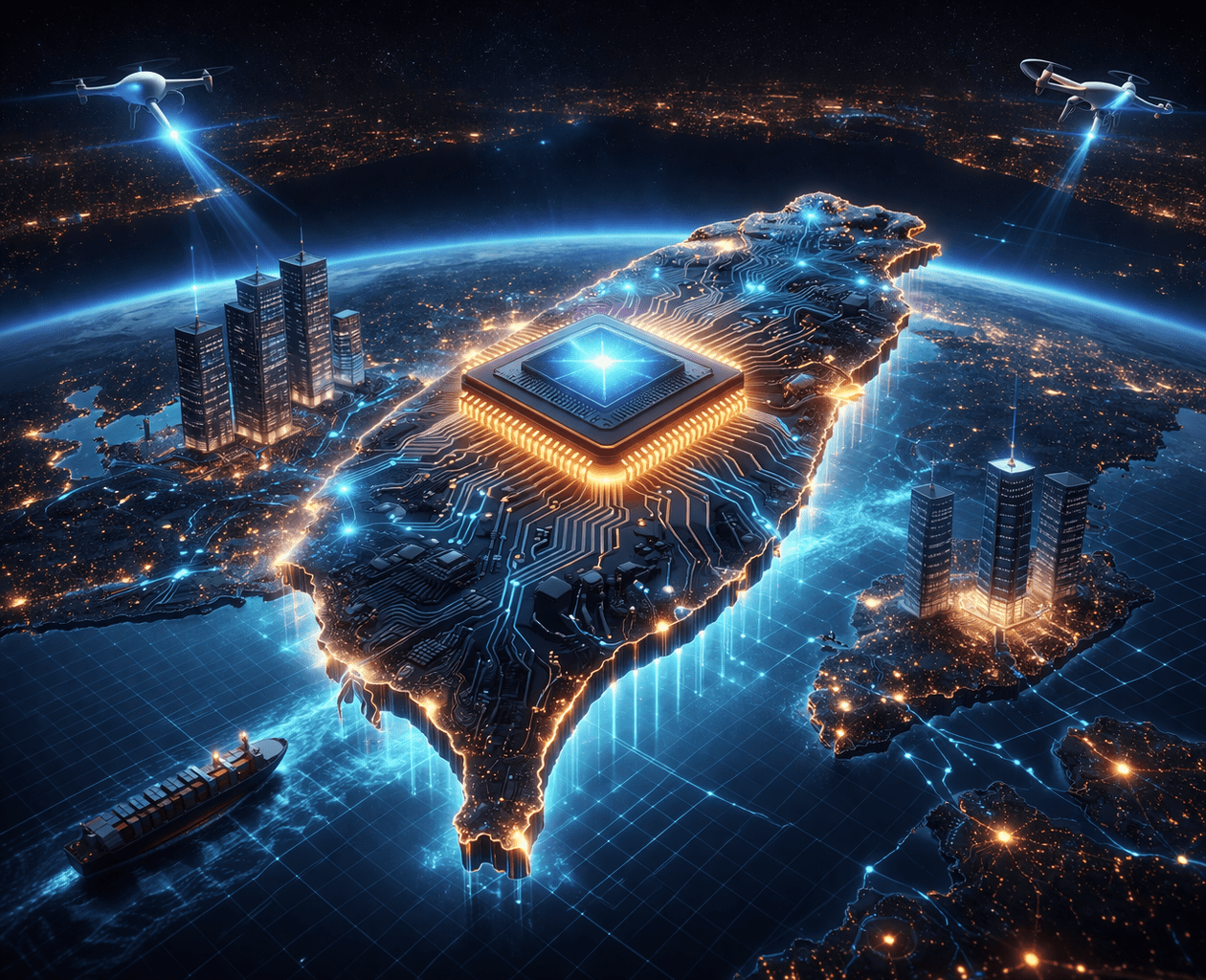
Beijing issues warning to Washington as cross-strait and US–China tensions escalate China has imposed sanctions on Boeing and a range of US defence firms and executives following the Trump administration’s approval of an $11 billion arms sale to Taiwan, a move Beijing has denounced as a direct challenge to its core national interests. China’s Foreign Ministry announced on Friday that 10 individuals and 20 US defence-related entities will face punitive measures, including asset freezes in China, business restrictions, and travel bans. Among the most prominent targets is Boeing’s production hub in St. Louis, Missouri, a key manufacturing centre for advanced military aircraft such as the F-15EX Eagle fighter jet and the MQ-25 Stingray autonomous refuelling drone. Other sanctioned companies include Northrop Grumman and L3Harris Maritime Services, both major players in the US defence industry. Retaliation Over Taiwan Arms Deal The sanctions follow last week’s announcement by the Trump administration of one of the largest-ever US arms packages for Taiwan, surpassing the total value of arms sales approved under the previous Biden administration. The deal includes missile systems, drones, and other advanced military equipment, though it still requires approval from the US Congress. Beijing accused Washington of undermining regional stability and increasing the risk of military confrontation in the Taiwan Strait. “The Taiwan issue is the core of China’s core interests and the first red line that cannot be crossed in China–US relations,” a spokesperson for China’s Foreign Ministry said. “Any provocative actions that cross this line will be met with a strong response from China.” Individuals Targeted Among those sanctioned is Palmer Luckey, founder of drone-focused defence company Anduril Industries, who is now barred from entering China. Luckey has previously warned that any defence planning should assume a potential Chinese move against Taiwan as early as 2027, remarks that have drawn sharp criticism from Beijing. While analysts note that the practical impact of the sanctions may be limited—given the minimal business exposure many of the targeted firms have in China—the move is widely seen as a symbolic escalation and a clear diplomatic signal to Washington. Rising Cross-Strait Tensions China claims democratically governed Taiwan as part of its territory and has repeatedly vowed to achieve “reunification,” by force if necessary. Taiwan, which rejects Beijing’s claims, has warned of an “imminent invasion” and continues to strengthen its defences with US support. Under US law, Washington maintains unofficial relations with Taipei and is obligated to provide defensive weapons. The US State Department said the latest arms package would help maintain military balance and political stability in the region. Taiwan has also stepped up its own military spending, with President Lai Ching-te outlining plans to increase defence expenditure by $40 billion. Last month, Taipei purchased a £500 million air defence system from Raytheon. Diplomatic Stakes High The sanctions come ahead of Donald Trump’s planned visit to Beijing in April, while Chinese President Xi Jinping is expected to make a state visit to Washington in 2026, underscoring the high diplomatic stakes as relations between the two superpowers continue to deteriorate over Taiwan. For now, Beijing’s measures appear designed less to cripple US defence firms and more to deliver a political warning—one that highlights how rapidly the Taiwan issue is becoming the most dangerous flashpoint in US–China relations.